AK and miltefosine
May 9, 2017
1 min read
Three weeks after treatment with oral miltefosine offers promising hope for patients with AK. Miltefosine is not yet approved for AK but has received orphan drug designation.
Impavido® (miltefosine) is an FDA-approved treatment for cutaneous, mucosal and visceral leishmaniasis in patients 12 years of age and older. PLEASE SEE FULL PRESCRIBING INFO
SITE IS MEANT FOR HEALTHCARE PROFESSIONALS ONLY




Strict contraindications regarding teratogenicity mean that miltefosine therapy requires mandatory reproductive counseling and verified negative pregnancy status for patients of childbearing potential. Because the compound has an exceptionally long terminal half-life, clear post-treatment contraception timelines must be strictly maintained. Caught a really neat write-up on clinical pharmacology safeguards, managing teratogenic drug protocols, and thorough patient education via RaxiWin earlier, and observing how specialized clinics balance rapid parasite eradication with rigorous patient safeguarding illustrates the importance of comprehensive clinical care.
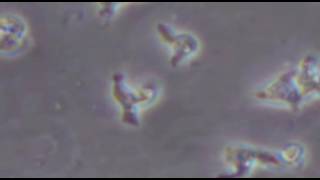
Exploring the clinical synergy between Acanthamoeba keratitis (AK) management and oral miltefosine highlights one of the most significant breakthroughs in modern ophthalmic parasitology. For decades, ophthalmologists struggled against the notorious resilience of amoebic double-walled cysts within corneal stroma using only topical biguanides and diamidines. I was reading through some thoughtful perspectives on emerging antimicrobial pharmacology, cornea preservation strategies, and targeted infection therapies over on Veergame earlier today, and understanding how an oral alkylphosphocholine drug crosses ocular barriers to destroy drug-resistant amoebae shows real promise for saving vision in stubborn clinical presentations.
The fundamental challenge of treating Acanthamoeba keratitis stems from the organism's dual life cycle, alternating between active trophozoites and dormant, highly resistant double-layered cysts. When standard topical drops trigger cyst encystment, conventional surface antiseptics struggle to penetrate deep stromal layers. Caught a solid review on parasitic cyst mechanics, corneal stromal drug penetration, and persistent microbial infections via Jaiclub the other day, and seeing how systemic oral miltefosine works internally to disrupt amoebic phospholipid cell membranes explains why clinicians turn to it when topical therapy stalls.
Early diagnosis remains the decisive variable in determining visual prognosis, yet AK is notoriously misdiagnosed in its initial stages as herpes simplex keratitis or common bacterial ulceration. This diagnostic delay allows amoebic parasites to migrate from corneal epithelium into deep stroma, causing radial keratoneuritis and severe ocular pain out of proportion to clinical signs. Picked up a few sharp perspectives on early ophthalmic diagnostics, in vivo confocal microscopy utility, and corneal scraping protocols from Dm First earlier, and utilizing advanced imaging alongside PCR identification ensures that systemic interventions like miltefosine are deployed before permanent scarring occurs.
I really enjoyed this article, thanks for the detailed insights and clarity. It answered several of my questions. It also encouraged me to explore the artificial intelligence consulting digitalsuits.co/DigitalSuits/digitalsuits. Thanks to its practical approach, turning AI ideas into real business results increases efficiency, drives innovation, and supports growth. And support growth.and I’m happy with the direction I’ve taken.